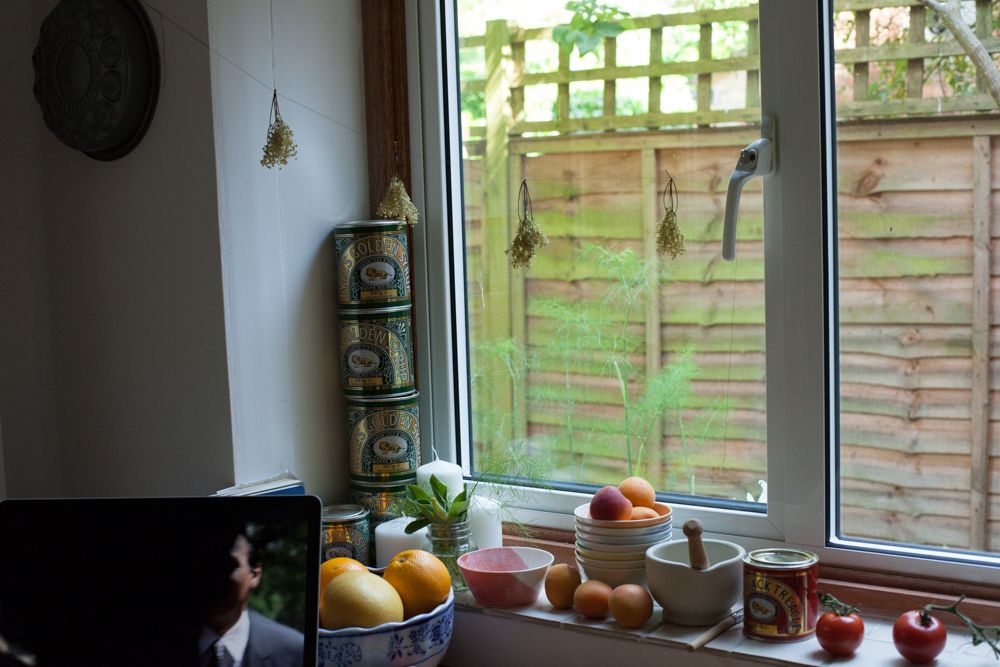
I've decided to start a new series of recipe reviews. Each month I'll pick a recipe that has been posted online on a blog, website, newspaper or somewhere else. It might be a recipe that intrigues me, an unusual process, something that I can't imagine the texture or flavour of or just something that I really want to eat. I'll make it, photograph the process, honestly tell you what I think and link to the recipe.
To start, I have a Pinterest board filled with recipes I'd like to try. If there's one you're particularly interested in, like it on the board and I'll take it into account.
I'd also love to hear if you have any new suggestions - if you could leave a note with a link in the comments or send me an email that would be wonderful.

So, for July: Polenta and Elderflower Cookies by Emiko Davies.
This recipe easily covers the 'intrigued', 'unusual process' and 'can't imagine the texture or flavour' categories.
Emiko is one of my favourite bloggers. She lived in Florence for many years before moving to Melbourne with her Italian husband and baby daughter. This recipe comes from Artusi's 1891 cookbook, Science in the Kitchen and the Art of Eating Well, a source of many of Emiko's recipes. I always learn something from her posts - without fail, they're both beautiful and intelligent.
Every year, I make my family's elderflower cordial recipe (the photo above is of this year's batch). It's one of my favourite drinks and a ritual I look forward to. Before I read Emiko's post, I didn't know you could cook with dried elderflower - I'd only heard of cordials, syrups, wines and other drinks.

In the comments, we had a chat about how to get dried elderflower - Emiko bought hers as high-quality tea but I was wondering if I could dry my own.
So, when I went out to collect the flowers for my cordial, I picked a few extra to dry (the same rules apply - make sure it's from a secluded spot away from traffic with healthy, creamy-white flowers). I used a needle and thread to string them up by the stem between the handle of my window and a nail in the wall that I hang a lovely Dutch cake tin on (here's another photo). After a few days they seemed to have dried out - in the end, I left them for a week.
Once I'd taken them down, I gently stripped the flowers off the stalks with my fingers. It was a bit of a pain - the dried stalks snap easily and fall into the bowl - but in the end I had heap of flowers in the bottom with a film of pollen coating the china.

The recipe is simple - you cream the butter and sugar, add an egg yolk, then stir in the polenta and elderflower. The dough is then rolled out, cut and baked until golden. The mixture is easy to work with - as it has no gluten, you can reshape and roll without worrying.
The final texture is, for lack of a better word, gritty - but that's surprisingly pleasant, in a crunchy sort of way. I think if I make them again I might use a mix of polenta and flour, to balance out but still maintain the crunch.
I thought they tasted best straight out of the oven. The flavour of the elderflower is distinctive and recognisable from the cordials but slightly dustier and, well, dried. It reminds me of the difference in smell and taste between fresh and dried herbs. I ate one with a cup of Earl Grey and the elderflower really pulled out the bergamot flavour, which I don't normally notice.
In conclusion: a fun experiment, an unusual texture and a new way of using elderflower.

Some notes on the recipe:
- I halved the recipe as I only dried four heads of elderflower. I'm not sure exactly how much the dried elderflower weighed but I had a small handful overall and I used it all. I made eleven cookies from the dough.
- I used precotta instantanea polenta, as that was finer than the bramata, which was the only other type I could find. I had to go to an Italian deli - I couldn't find it in the supermarket except as a ready-cooked slab.
- I used icing sugar and unsalted butter (I was going to add a pinch of salt but forgot). I didn't need to add water.
- My butter was a bit warm as it was a hot day so I chilled my dough for 15 minutes to cool it down before I rolled it out.
- They took 10 minutes to cook.

Three other posts where I've linked to the recipe:
Seed Cake
Chez Panisse Almond Tart
Cumin and Lemon Cookies