Monday, 5 July 2010

Espresso, White Chocolate and Rose Cake


As I walked into the kitchen yesterday, I felt the need for a light cake. A coffee cake seemed like an excellent idea. And so this cake was born - a light but flavourful espresso sponge dripping with a thick white chocolate ganache and topped with a handful of sugared rose petals.


Making sugared rose petals is very easy, if a little fiddly. It's just a matter of painting them with egg white and covering then in fine sugar before letting them dry. It's important that they're not sprayed with chemicals, so picking from your garden is best.

I made mine yesterday while I watched the finals at Wimbledon. Much as I love watching tennis, I felt I could sit on the sofa making these and watch Rafa winning easily at the same time. (Oh how I wish Federer had been there - I was so upset when he went out).


I have to admit to something. I didn't use real, brewed espresso. I used espresso powder that I bought the other day, mixed 1tbsp/1tbsp with boiling water.  I know it's not the real thing, but it worked a charm in this cake.

I had forgotten what an odd looking ganache my favourite white chocolate from Green & Blacks makes. It's almost slightly green and translucent until it cools fully, when it's whiter. So forgive the ganache in the photos for its slightly poorly appearance - I couldn't wait to take the photos and eat some!


Before we knew what had happened, Mum and I had polished off nearly half of the cake. I particularly enjoyed mine with a few fresh raspberries to add a tart element. The sponge is lovely and light and has great flavour, especially combined with the ganache. A success!


Expresso, White Chocolate and Rose Cake

For the cake:
110g butter
60g soft brown sugar
50g caster sugar
2 eggs
110g plain flour
1 1/2 tsp baking powder
1 tbsp strong espresso
1/2 tsp vanilla extract

Preheat the oven to 160C/ 320F. Grease and line the bottom of a 8"/20 cm round tin. Cream the room temperature butter and the two sugars together until fluffy. Add an egg, beat well, then add the other (you may need to add a tbsp of flour in between the eggs). Sift in the flour and baking powder and fold to combine. Add the espresso and vanilla and fold in. Spoon into the prepared tin and bake for about 30 minutes, or until a skewer/toothpick comes out clean. Remove to a wire rack and cool slightly before removing the tin and paper.

For the sugared rose petals:
petals of an unsprayed rose
1 egg white
25g white caster sugar

Carefully pull petals off the rose - I only took 20 or so. Separate an egg and put in a small pot. Put the sugar in a small bowl/pot. Using a paintbrush or pastry brush, lightly cover a rose petal in the egg white. Either carefully press the petal into the sugar or sprinkle it on. Put to dry on a sheet. Repeat for all your petals. Leave to dry for about 30 minutes or until fairly hard before using.

For the white chocolate ganache:
100g good quality white chocolate
30ml double cream
1-2 drops rose water (optional)

Break the chocolate up into small pieces and place in a small bowl. Heat the cream until nearly boiling and pour over the chocolate. Leave for a few minutes then stir until smooth. When it has cooled slightly, pour over the cake and arrange the petals on top.

(About 8 slices)


Saturday, 3 July 2010

Sparkling Elderflower and Summer Fruit Jellies

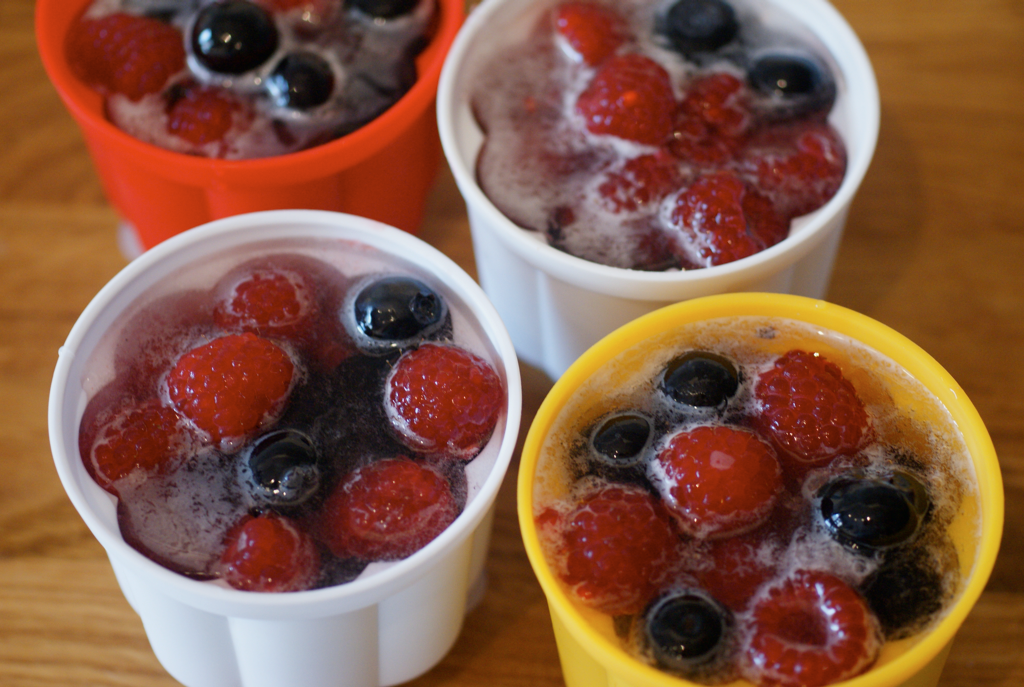
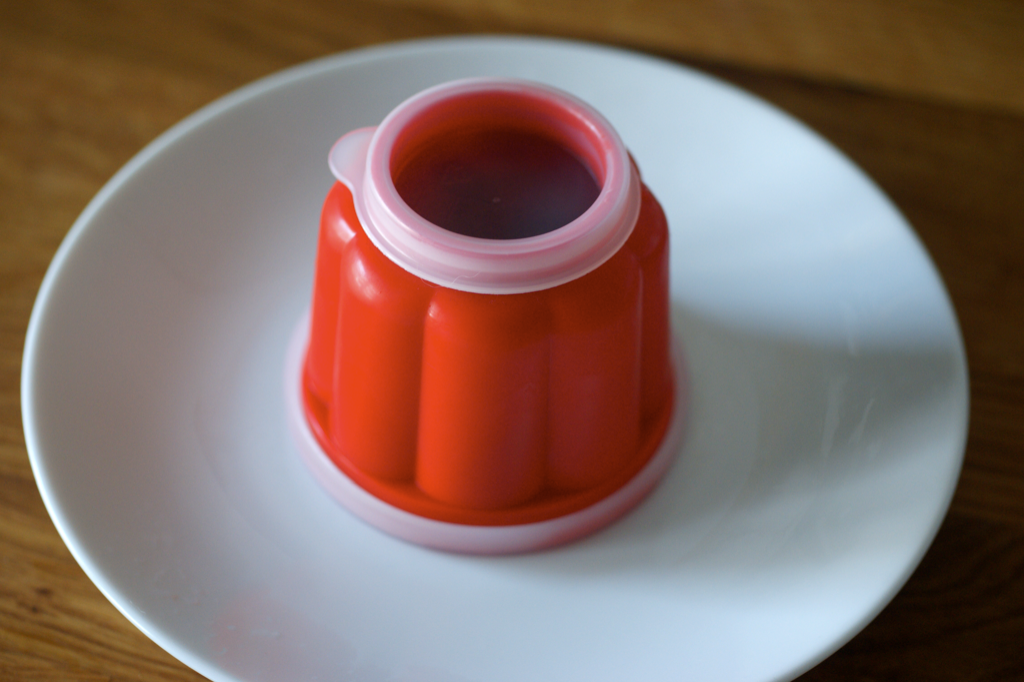
I've been wanting to make jellies for ages. So much so that my friends bought me some jelly moulds for my birthday. My plan was to make a version of some of the champagne/white wine and fruit recipes using elderflower cordial. Term ran out before I managed to make them (and I drank all the cordial we had in the flat). 

Then we made homemade Elderflower Cordial the other day. The time had come to make my jellies!

To work out the recipe, I filled each mould with water, then poured it into a measuring jug. The capacity was 500ml. Then I tipped all my fruit into the jug and measured the water displaced - about 200ml. I therefore needed 300ml of elderflower solution to fill the moulds.  I made the elderflower solution slightly stronger than I would drink it to make sure the flavour came through, which worked. 

They didn't turn out perfectly, with some little bits sticking to the mould - any tips? I've thought about increasing the gelatine, maybe by half a leaf or so - I don't like rubbery jelly so I don't want to add too much more. 

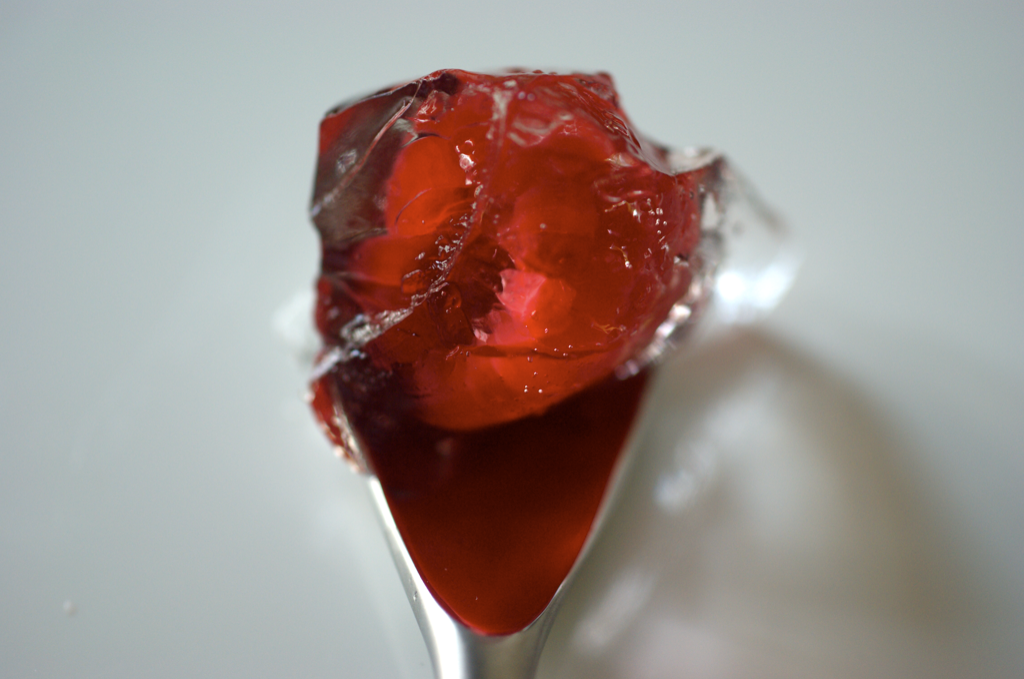
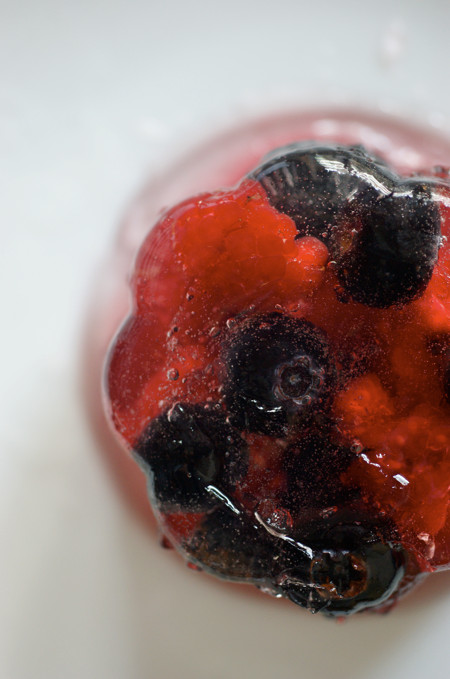
All in all, though, I was very pleased with these. They tasted great and lasted for several days in the fridge without the fruit going off.  Mum even reckoned they were better on the second day. They have a light sparkle of bubbles - not as many as with champagne jellies, but it gives the jelly some life.  As a dessert for a hot summer day that's not frozen, they're perfect - light, refreshing and delicious. 

Sparkling Elderflower and Summer Fruit Jellies

Edit: I've removed the recipe as I'm not happy with it and don't want you to try it and be disappointed.

Thursday, 1 July 2010

Elderflower Cordial


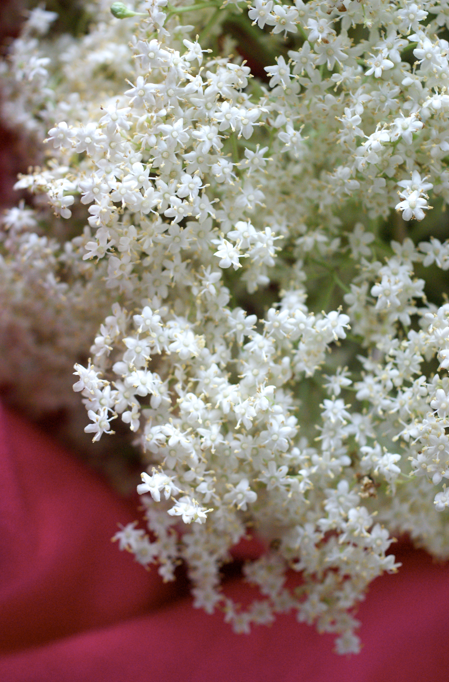
To me, Elderflower Cordial is as reminiscent of English summer as Pimms, Strawberries and Cream or Wimbledon. 

I first made Elderflower Cordial with my Brownies group (see Irish Tea Bread) when I was about eight. I don't remember the specifics, but I remember walking down the little pathway near the village hall where we met and it being full of trees laden with the glorious clusters of blossoms. 


The other day as we were heading down the valley to investigate a new supermarket that had opened, we spotted a series of big bushes heavy with flowers by the riverside. They were also quite far off the road, which is important - you don't want Exhaust Fume Cordial. 

On the way back, we pulled over and started picking. As they were on the riverbank, I had to hold mum by her waist as she leant in off the bank to pick them. We had a few incidents where we started laughing so much we almost lost balance.  Unfortunately I didn't have a camera with me, so I don't have any pictures. We filled my pink cardigan with blooms and set off home.

As a child, my mum was told that when you make Elderflower Cordial (or champagne) you should only pick blooms that are in the full sunlight. I'm not sure if there's any reason for this, but we stuck to it anyway. 


When we got back, I realised we didn't have any citric acid, so had to pop up to the pharmacy to get some - most pharmacies should be able to sell you some, or a wine making shop. 

It's important that the syrup isn't boiling as you pour it over the flowers, as it can scorch them.

I'm so pleased we made some - it's much better than shop bought (and I don't know that I've seen it here).  It's such a delicate and wonderful flavour and doesn't take much work at all.


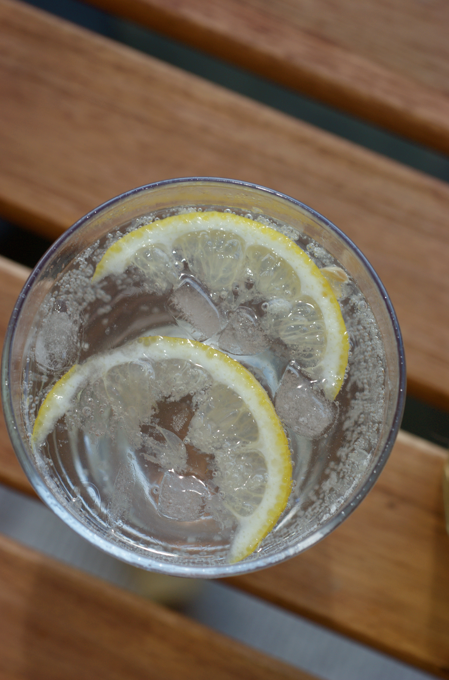
My favourite way to drink Elderflower Cordial is with sparkling water that has been chilling in the fridge (Pellegrino is the best as far as I'm concerned, but that might just be brand loyalty on my part!). Sometimes a bit of ice or a slice or two of lemon is nice too. 


Elderflower Cordial
(A family recipe)

1.2 kg granulated sugar
1 ltr water
1 lemon
25 heads of elderflower (about)
50g citric acid

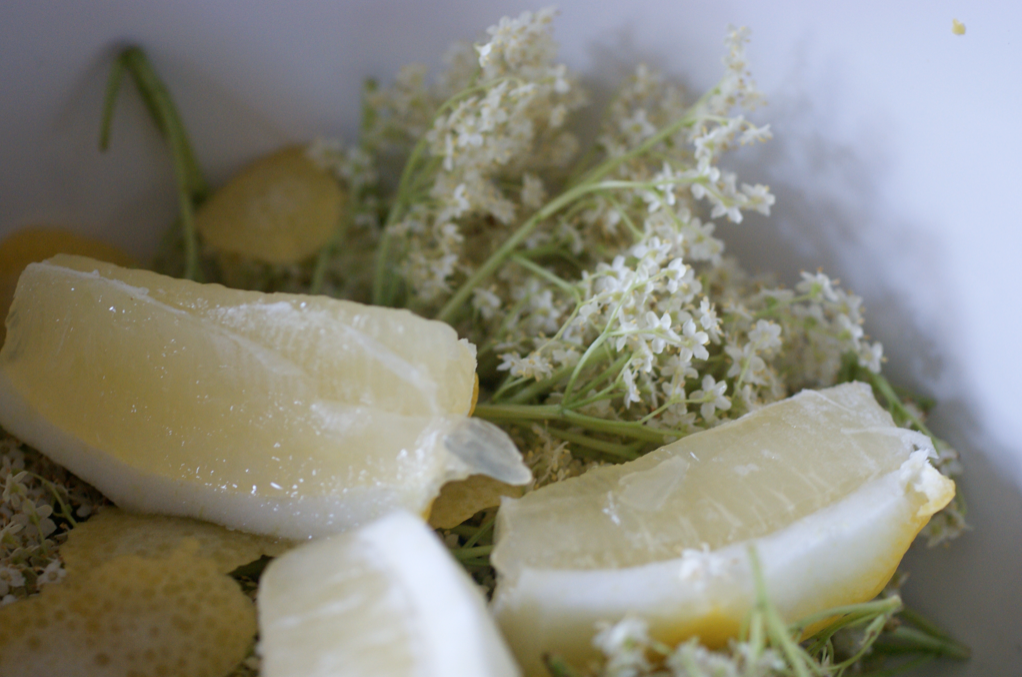
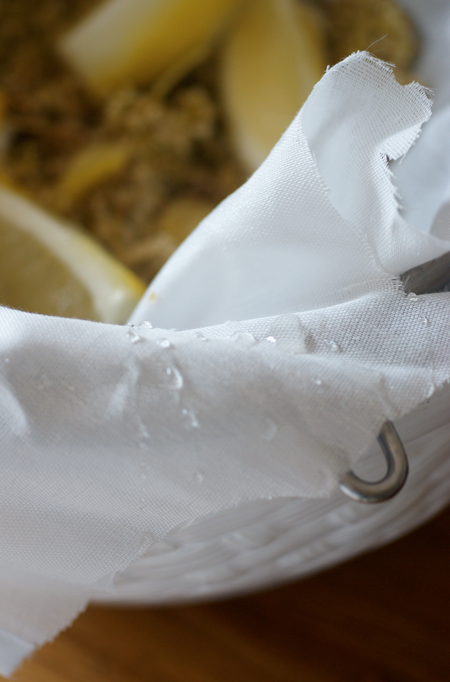
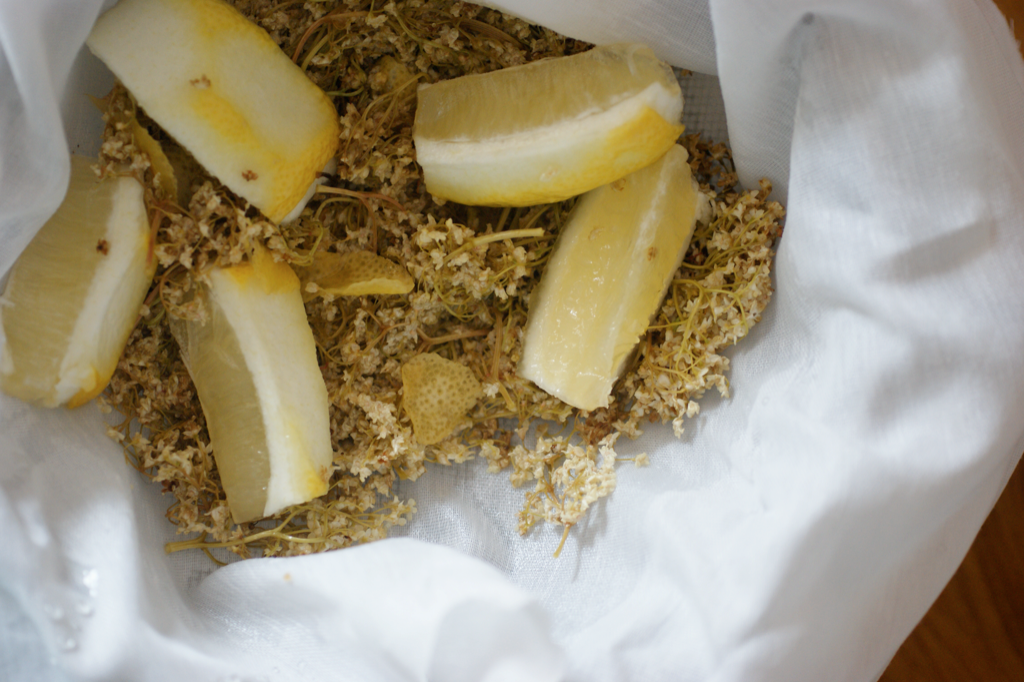
Put the sugar and water into a saucepan and heat until all the sugar is dissolved. Take off the heat and stir in the citric acid. While it cools, shake the elderflower heads gently to remove bugs/any other debris. Put them in a large bowl. Take strips of rind off the lemon and put them in too, followed by the lemon itself, cut into chunks. When the sugar syrup has cooled to warm, pour over the flowers and lemons. Stir, then cover with a tea towel and leave overnight (I stirred mine a few times). 

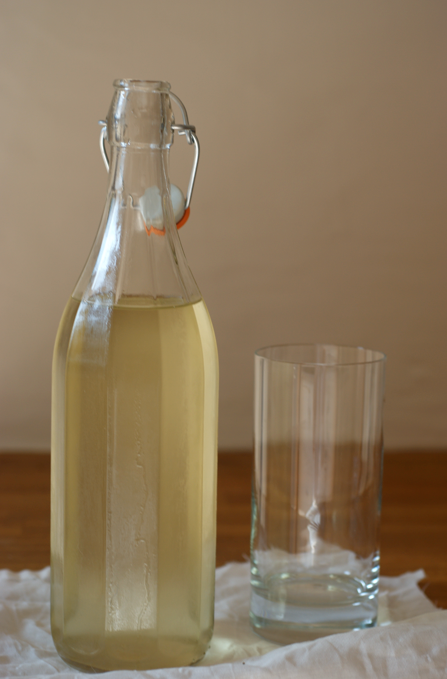
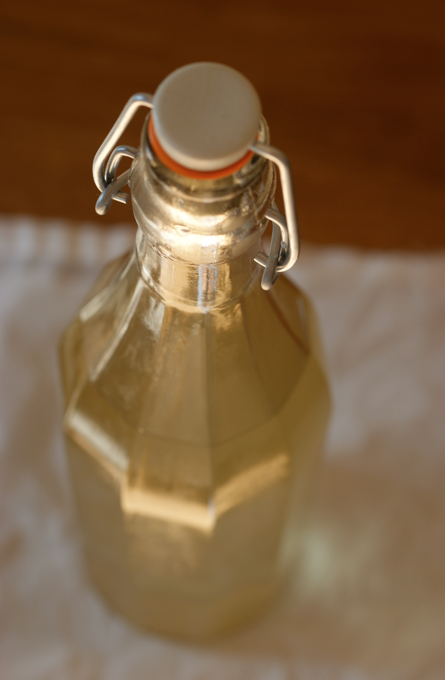
The next day, get another big bowl and line a sieve with a piece of muslin (or similar) over the top. Pour the contents of the bowl into it, making sure it doesn't overflow. Stir it around a bit to let the last bits through, then pull together the muslin and gently squeeze. Throw away the contents. Funnel into a sterilized bottle or container and keep in the fridge. It also freezes very well in plastic bottles or boxes. 

(Makes about 1.5 litres) 

ShareThis