Showing posts with label honey. Show all posts

Saturday, 22 September 2012

Homemade Granola

ScreenShot2012-09-19at153226_zps1070cc8f

I like my granola darkly toasted and clumpy, strewn with fruit, light on seeds, heavy on pecans and salty-sweet-savoury from sea salt, honey and extra virgin olive oil.


Originally I added the dried fruits at the beginning but they became too crunchy and you couldn't really detect the flavours. Now I add them near the end - just long enough for the fruits to soak up some of the liquid and meld into the mixture.

For breakfast, I dollop a few spoons of greek yogurt into my bowl, add whatever fresh fruit is to hand (sliced apple or banana, berries etc), splash in some milk and then scatter a handful of the granola over the top. It's also good with straight milk, though I like the complexity some fruit and slightly sour yogurt adds. Sometimes I take a little box of it to the library, to eat outside when I'm getting some fresh air. It's my granola break - a fag break for sugar-dependent non-smokers.

Finally, learn from my mistake: don't put it in a clear plastic box on your worktop. Whenever I'm in the kitchen I find it impossible to keep my hands from cracking the sides of the lid open and sneaking a few clumps. It taunts me every time I make a cup of tea.


Homemade Granola
(adapted from Nekisia Davis' recipe on Food 52)

135g oats - rolled or porridge or a mixture
60g pecan halves, broken up/chopped
20g brown sugar*
30g sunflower seeds
30g coconut strips
1 tsp ground cinnamon
1/2 - 1 tsp fine sea salt
1/8 tsp ground/microplaned nutmeg
100ml runny honey or maple syrup
70ml extra virgin olive oil
40g dried cranberries
40g dried apricots, roughly chopped
30g raisins

Preheat the oven to 150C/300F. Get out a big mixing bowl and add the oats, pecan halves, sugar, sunflower seeds, coconut, cinnamon, 1/2 tsp sea salt and nutmeg (I put the bowl on my scales and zero as I add each one). Stir together. Add the honey and olive oil and stir well. Tip out onto a big baking sheet (with some sort of side) and spread out.

Put into the oven and bake for 10 minutes then stir (don't worry about how gloopy it looks) and put back in for another 15 minutes. Add the cranberries, apricots and raisins and stir in. Put back in the oven for another 5-10 minutes until the granola is a rich golden brown. Stir occasionally as it cools, breaking into small clumps if needed and scraping the bottom. Add the extra salt if you think it needs it. Keeps well in a sealed box or tin (mine has always run out in under a week).

(Makes 1 smallish batch, easy to scale up)

Tip: I pour the oil into my measuring jug first, then tip it around a bit so the sides are oily. Then pour in the honey up to the 170ml mark. It'll slip easily out into the bowl without the honey sticking.

* UPDATE 2014 - I now use 20g instead of 40g sugar - it's a touch less sweet and the flavours seem more pronounced. I mix and match the add-ins (i.e. nuts, seeds and fruits) according to my cupboard that day - dried cherries and chunkily chopped skin-on whole almonds are some of my new favourites. I also switch between honey and maple syrup - you can use the same volume.


Saturday, 21 July 2012

Roasted Gooseberries with Honey Ice Cream


When I was a little girl, my friend H and I sold posies of flowers outside our local pub.

We would sing "po-sies for sale!" with our most charming smiles as people arrived, our wares arranged on a cloth draped over the stone wall by the entrance. We happened to both buy the same blue velvet dress with a peter pan collar from M&S and we would co-ordinate for extra effect on our unsuspecting customers. The cute factor sold. One year - I think it was when I was 7 or 8 - I made £50 over the summer.


Earlier in the day, we would meet at her house and go off to our den to play. About a five minute walk along the tall, hedged lanes there was a hidden exit off the road to the stream. If you waded across, there was a huge oak tree that had grown horizontally in a U shape and then upwards. The U faced upstream and would collect debris as the water flowed past. Every spring we would clear it out. I usually pretended that the U was a kitchen countertop and would prepare foraged (inedible, probably poisonous) meals on flat rocks, then wash up in the stream.

We would then go on a huge clipping trip around her garden, harvesting wild and cultivated flowers. I particularly remember the scent of the lily of the valley, tucked into a quiet, shady corner. We'd then arrange them into various small posies and wrap the stems with wet kitchen roll and foil to stop them wilting.


Now I look back, I'm so grateful that I had those wild times - playing on our own, out of hearing distance, in the streams, gardens, fields and pub car parks of Devon.

I imagine people would now be horrified at the thought of two little girls sitting outside a pub in our best dresses, next to a road, engaging every stranger who came for a drink in conversation - while trying to be terribly charming in order to up our sales. To be fair, our parents did pop out to check on us and we knew a lot of the regulars. I have to admit it didn't always go well - I still have the scars from a spectacular fall in the car park involving a broken glass and a trip to A&E.


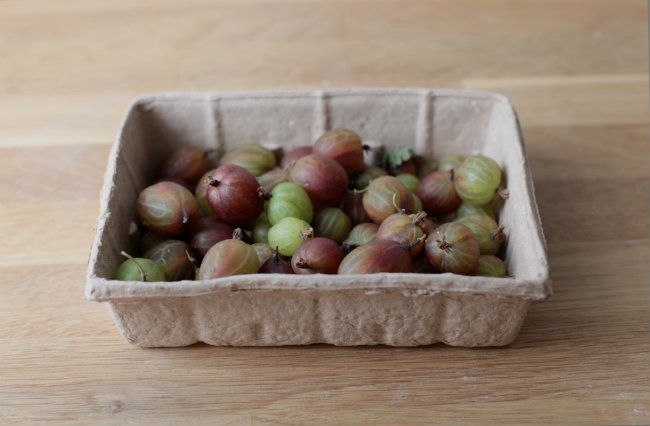
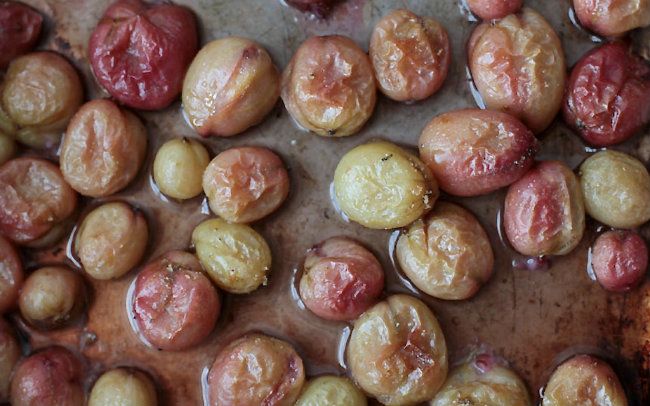
One of my other memories from H's garden is of eating raw gooseberries. We picked them off the bush, bright green and hard. They were incredibly sour but we ate some anyway, to prove we could. I couldn't remember when I'd tried them since, so I bought a punnet to experiment with. After a few conversations on twitter, I settled on trying to roast them as I love roasting rhubarb, which is pretty similar in flavour. They are very sour - you could add more sugar if you like.

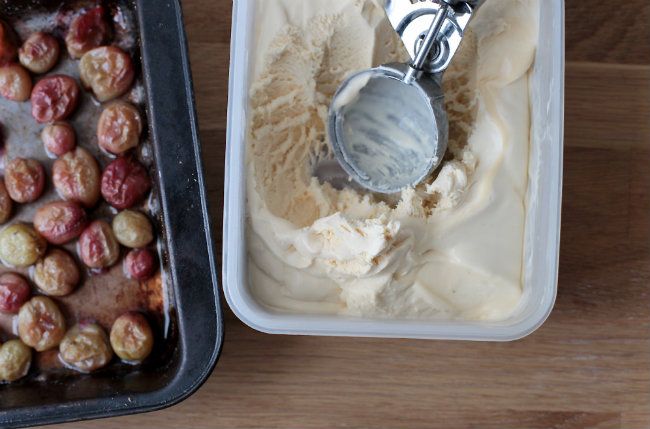
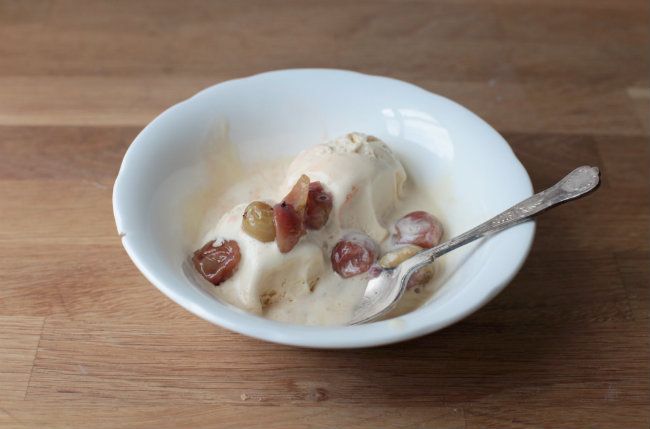
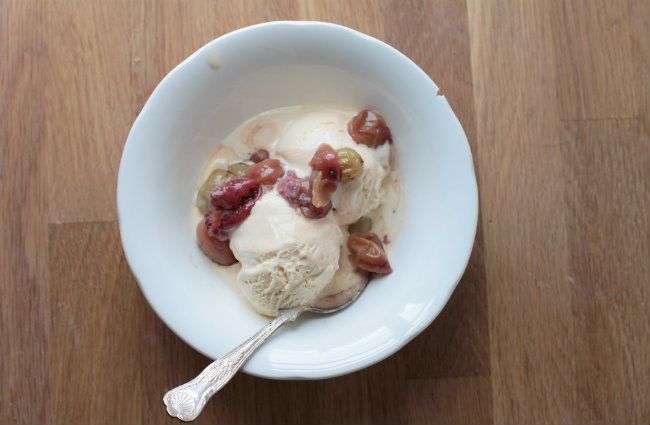
I decided to pair the sour berries with a honey ice cream inspired by the one I ate at Chez Panisse. I adapted a Lavender - Honey recipe from their book. Topping a few soft scoops of the sweet ice cream with the warm, sour berries and their syrupy sauce creates a wonderful contrast as they start to pool together in the bottom of the bowl.

The ice cream is made with a custard base. If you're nervous about making custard with egg yolks or just want some tips, try having a look at my Foundations post.


Roasted Gooseberries with Honey Ice Cream
(Ice cream adapted from Chez Panisse Desserts by Lindsay Shere)

For the ice cream:
350ml double cream
70ml milk
3 egg yolks
100ml quality runny honey*

For the gooseberries:
275g gooseberries
2 tbsp brown sugar or more, depending on acidity of berries

Place the cream and milk into a medium saucepan. Break the yolks up with a whisk in a small bowl. Heat the cream until it begins to steam then turn off the heat. Pour about 1/3 of the hot cream into the egg yolks, whisking the yolks as you go. Scrape the yolk mixture into the pan. Use a wooden spoon to stir the two together. Turn the heat on to medium-low and stir until the custard coats the back of the spoon - you should be able to draw a finger through the custard on the spoon and see the line. Stir in the honey. Transfer to a jug and chill overnight or for at least 3 hours. Churn according to the instructions for your ice cream maker then place back into the freezer.

Preheat the oven to 180C/350F. Nip the little brown bits off the tops of the berries and remove the stems. Place them in a tin (they need a bit of space to caramelise) and sprinkle the sugar over the top. Toss them together with a spoon or your hands. Place into the oven and bake for 20 minutes or until just burst and caramelising around the edges.

Scoop some ice cream into each bowl (the honey means that the ice cream freezes softly, so no need for it to stand before serving). Spoon some of the berries over the top - don't add too many or you'll end up with too much sour in each bite.

*This is the original ratio from the book - it's perfect to counteract the sour berries, but as a general ice cream I think it's a bit sweet. I'd probably try 75ml or so if I wanted to eat it alone or with sweet fruits - though a slightly sour punnet of raspberries were delicious with this batch. I used orange blossom honey.

(Serves about 6)

Wednesday, 16 November 2011

Clementine Ricotta Doughnuts


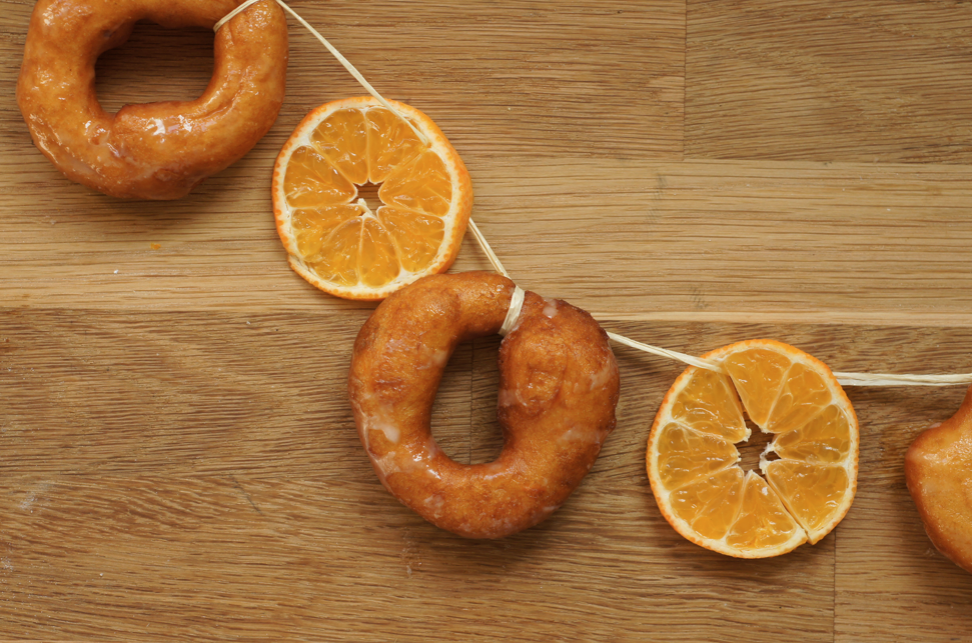
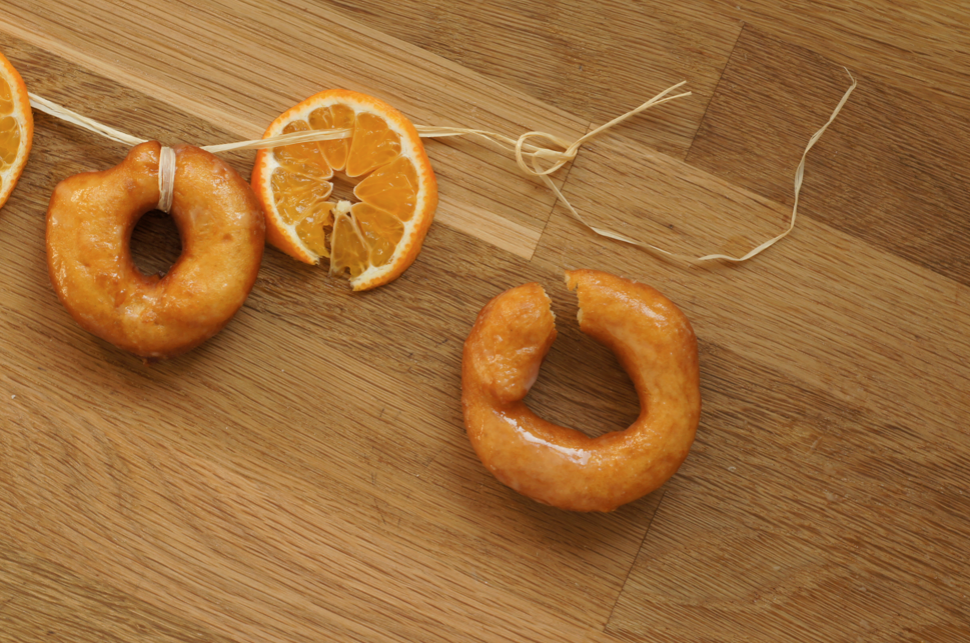
Why do we only hang chocolate shapes and cookies from garlands and trees? Why not doughnuts?

They already look like little wreaths, after all. Wouldn't it be a lovely addition to your autumnal table for a party? I'm always up for making dessert or a tea snack into a fun event in itself.


I threaded and knotted them onto a piece of raffia in a string, but you could also tie each one individually to a branch (a bit like the sweet cakes in this lovely tiger in a jar video). Or even your Christmas tree. (Apologies for the early use of the C-word, but I had to mention it...)


The book I adapted this recipe from, Doughnuts, is fabulous. I had no idea there were so many versions and creative options. These are cake doughnuts, so they're easy to make and very quick - no yeast involved.

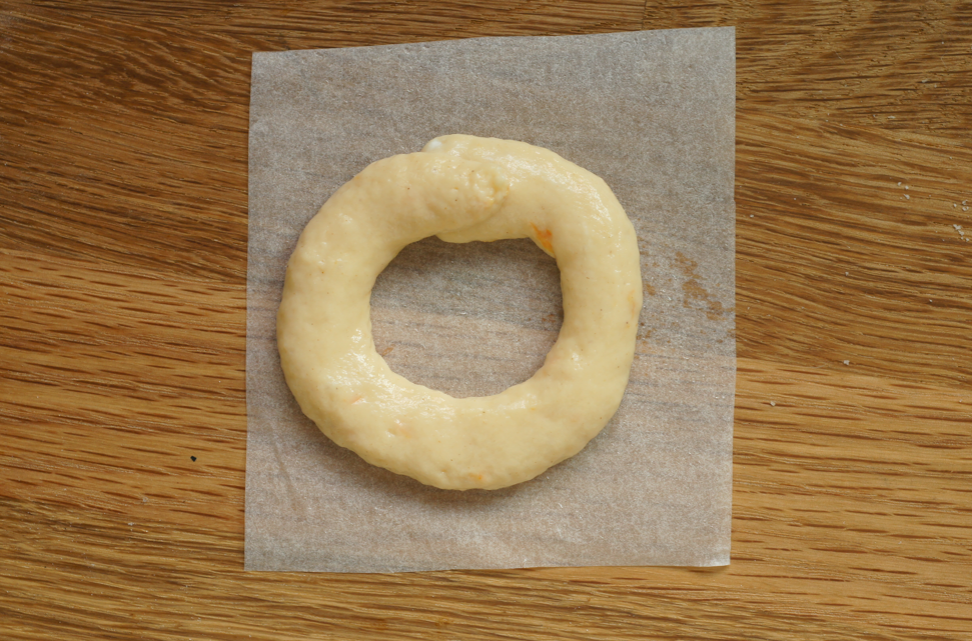
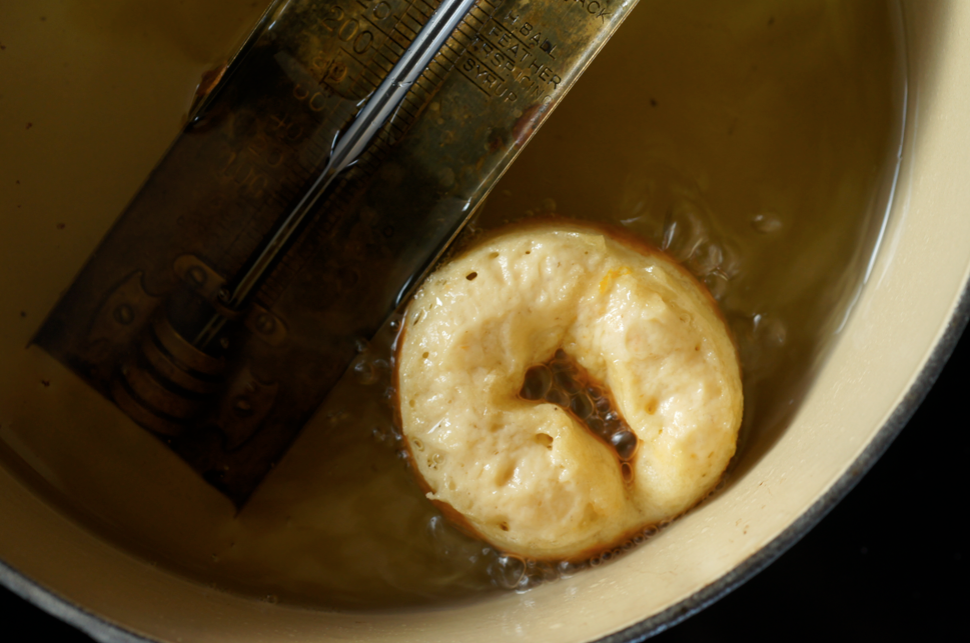
The method for getting cake doughnuts into the oil without a fancy machine is so clever. You pipe them onto greased paper and then drop them into the oil on the paper, which then loosens and you can remove it. Forgive me if it is common knowledge, but I was fascinated.


I adore clementines (and satsumas and tangerines - how are we meant to tell them apart?). I used to eat them by the bagful as a child. My beautiful old dog Silver loves them too. Probably partly because when she was a puppy I used to peel them and play 'one for you, one for me' with her (sharing my clementines was a gesture of great love).

Clementines are traditional stocking fillers here. One Christmas my belief in a certain someone was fatally wounded when I found a packet of clementines I had carefully marked with a pen so nobody else ate them at the end of my bed...

I bought my first bag of the winter a few days ago and so these doughnuts were born. I was going to show you a photo of the insides but I lost track of my thoughts while shooting and ate the halved one. Whoops. What can I say - they're rather moreish.


Clementine Ricotta Doughnuts
(adapted from Lara Ferroni's Doughnuts)

For the doughnuts:
120g plain flour
40g caster sugar
1 and 1/3 tsp baking powder
grating of fresh nutmeg
pinch of salt
zest of a clementine
2 eggs
150g ricotta
1/2 tsp vanilla
oil, to fry*

For the glaze:
50g icing sugar
1 tsp honey (to taste)
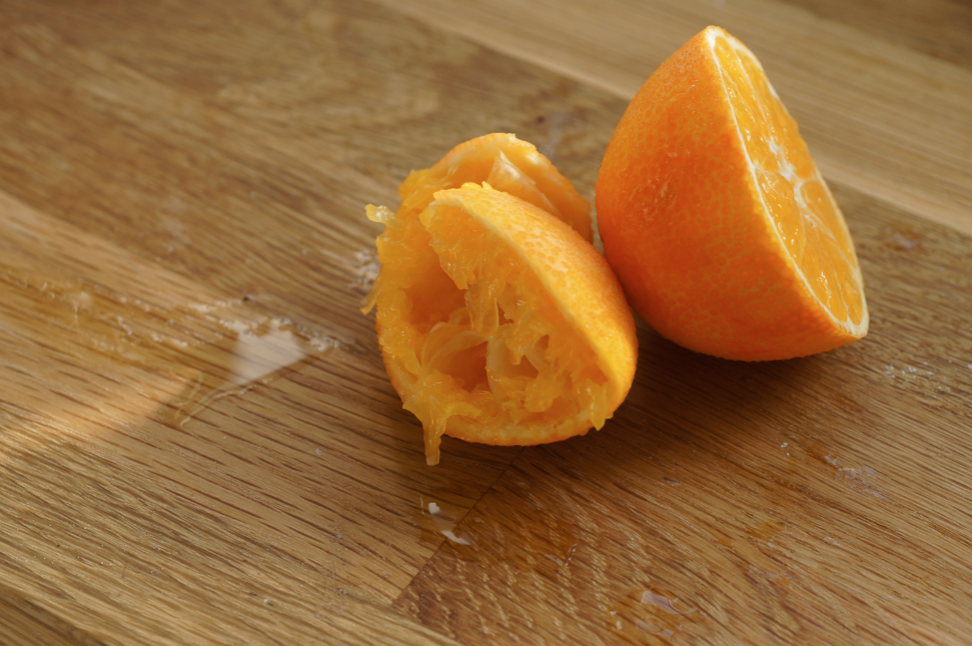
juice of 1 clementine (approx)

Sift the flour, baking powder, nutmeg, salt and sugar into a bowl. In another bowl whisk the zest, eggs, ricotta and vanilla together. Stir the wet ingredients into the dry until combine - try to not overmix, but you don't want lumps of flour. Scoop into a piping bag and set to one side.

Decide how many doughnuts you'll be able to fry at once (I could do two) and cut that number of 4" squares of greaseproof/parchment paper. Grease the squares with a little extra oil. Place a wad of kitchen towels to the side of your stove. In a heavy bottomed pot with a thermometer (deep-frying or sugar) heat approximately 2 inches of oil to 360F. Pipe circles on the greased paper of about 3 inches.

When the oil hits the right temperature, lower one upside down into the oil (check with one, then do more). The paper will start to loosen - take it out with some heatproof tongs. Cook until golden brown then turn and cook the other side. This only took about 45 seconds on each side for me. Remove with a slotted spoon to the kitchen paper. Repeat until you've used all the mixture.

Sieve the icing sugar into a medium bowl. Add the juice bit by bit until you have a paste, then add the honey. Finally adjust the consistency with more juice until you have a thin glaze. Dip the doughnuts into the glaze (either one side or both). Set onto a wire rack.

*I used sunflower oil but safflower, peanut or canola also would be good.

(makes about 12-15 doughnuts)


Wednesday, 20 July 2011

Honeybee Chocolate Cake

The honeybees on this cake aren't exactly biologically correct. Nigella, their inventor, describes them as 'Disneyfied'. I have to admit I picked this cake because they're cute. 

I also chose this cake because I'm addicted to honey at the moment. I go through eating phases, particularly at breakfast. I am firmly in the runny-honey-and-local-butter-on-thick-white-bread-preferably-brioche phase. 

I love this recipe. You take sweet butter and cream it with my favourite light brown sugar. You pour in a golden stream of runny honey. You pour in a molten river of dark chocolate. It's beautiful to watch. 

The final result balances the two flavours of chocolate and honey perfectly. Instead of getting separate chocolate notes and honey notes, they seem to merge. The cake is dense and rich, especially when combined with the glaze (a fascinating water and honey based ganache). I wasn't sure how much I would like this cake but I have to admit it has totally won me over. 

The only problem? 

Both times I have made it a little circular crater has appeared bang in the middle of the cake. The first time I had opened the door a bit early so I presumed it was because of that. Then I made it again today. At the same point as before - 30 minutes in - the cake was beautifully risen and domed when I looked through the door. Yet once again when I looked at 40 minutes (this time having not opened the door), the cake had sunk down an inch and had a crater in the middle.  

So next time I think I'm going to try a slightly larger tin - probably a 20cm - and see if that helps (I've indicated this in the recipe below, but for reference I used a 6" tin here). I halved the recipe but usually that doesn't cause problems. If you'd like, you can double the recipe back up and use a 23cm tin as in the original. 

To rescue the situation this time I decided to insert a 'marzipan surprise' and turn the cake over. Nobody minded my little trick. That's the best thing about many baking 'disasters' - outside of our perfectionist world, nobody could care less as long as it's delicious. 

Honeybee Chocolate Cake
(adapted from Nigella Lawson's Feast)

For the cake:
50g dark chocolate, chopped
135g light brown sugar
115g butter, at room temperature
60ml runny honey
1 egg
100g plain flour
1/2 tsp bicarbonate of soda
1/2 tbsp cocoa powder
125ml boiling water

Preheat the oven to 180C. Grease and line a 20cm/9" tin. Melt the chocolate in a bowl above a saucepan of simmering water then leave to cool. Cream the butter and sugar together until light and fluffy in a stand mixer with the whisk attachment (or with a handheld whisk). Pour in the honey and whisk to combine. Add the egg and a tablespoon of the flour and combine throughly. Scrape in the cooled melted chocolate and whip again to combine.  Sift the rest of the flour, the bicarbonate of soda and the cocoa powder into the bowl and whisk again. Slowly add the boiling water to the mix with the speed on low, pausing every few moments to let it combine into a smooth liquid. Pour into the prepared tin and place into the oven. Bake for 45 minutes until springy on top. Cool on a wire rack in its tin until totally cold. 

For the glaze:
30ml water
60ml runny honey
90g dark chocolate, chopped
1 tbsp icing sugar

Place the water and honey into a small saucepan and bring to a boil. Remove from the heat and add the chocolate. Whisk until the chocolate has melted and the glaze is smooth. Sieve the icing sugar over the top and whisk in. 

To assemble:
5 small pieces of marzipan (about 20g)
10 flaked almonds (+ a few spares)

Line your serving plate with four strips of baking parchment to form a square. Turn the cake out of the tin and place in the middle of the strips. Brush any loose crumbs off the cake. Spoon a few tablespoons of the glaze into the middle of the cake and use a small palette knife (or similar) to spread the glaze down the sides off the cake. Keep adding the glaze and spreading it until the sides are complete. Add extra to create a smooth top. Leave to set while you make the bees. Shape the marzipan into little oblong bodies, then press two flaked almonds into each one at an angle to create the wings. Use a toothpick and the remaining glaze to draw three stripes and some eyes onto each bee.  When ready position the bees onto the top of the cake. Very carefully remove the strips of parchment paper and remove any little drips with a damp cloth. 

(Serves 8-10)

Tuesday, 27 April 2010

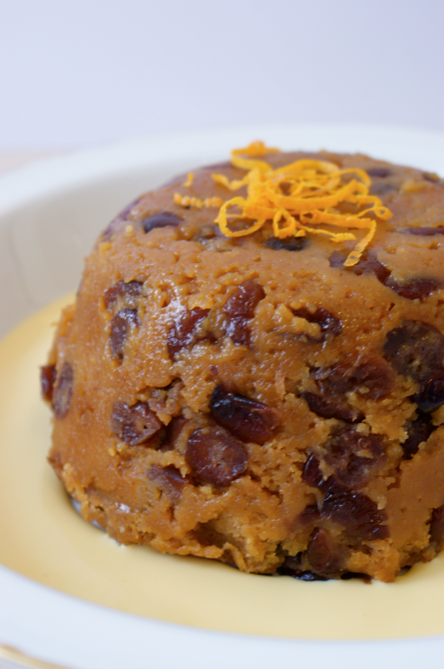
Cranberry, Orange and Acacia Honey Steamed Pudding


Being British, I probably should have made a steamed pudding before. I did have it on my to-bake list but it didn't get crossed off until it became April's challenge for the Daring Bakers. Conversely, I wanted to make it before I came back to Britain, and as a result, I couldn't find the suet we were asked to use if possible. Instead, I adapted two butter based recipes for my purposes...


Looking at all the treacle and golden syrup puddings, I decided that it was a shame that honey didn't seem to be used (I'm quite sure that people used to make - and still do make - honey steamed puddings, but I couldn't find a recipe).


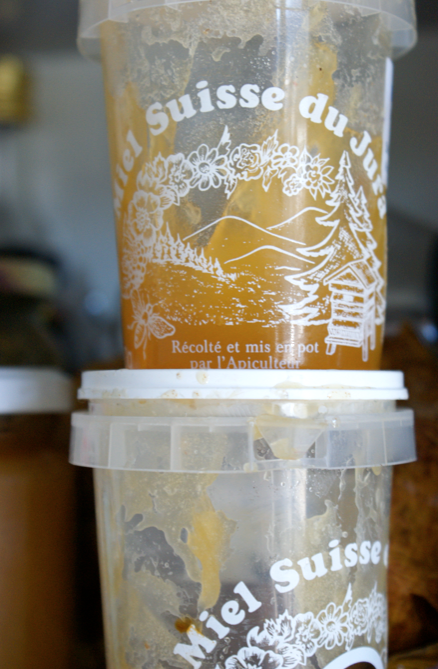
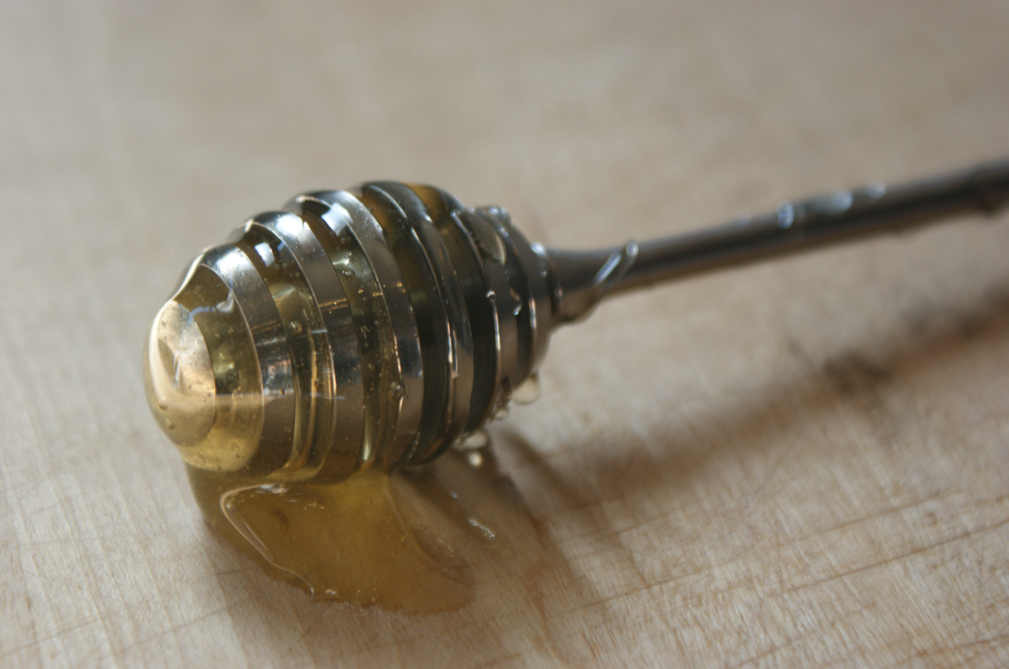
As a result I decided that I should use up one of the little pots of swiss honey we buy each summer at the market. They have an uncanny ability to split slightly and cause a small flood of honey in the cupboard, which meant that the pot of Acacia honey had been sitting in my mum's special hot chocolate mug for several months. To free her mug and to create an excuse to buy some more this summer, I used the remainder of that pot up. We still have several nearly dead ones that we don't have the heart to throw out, as you can see above.


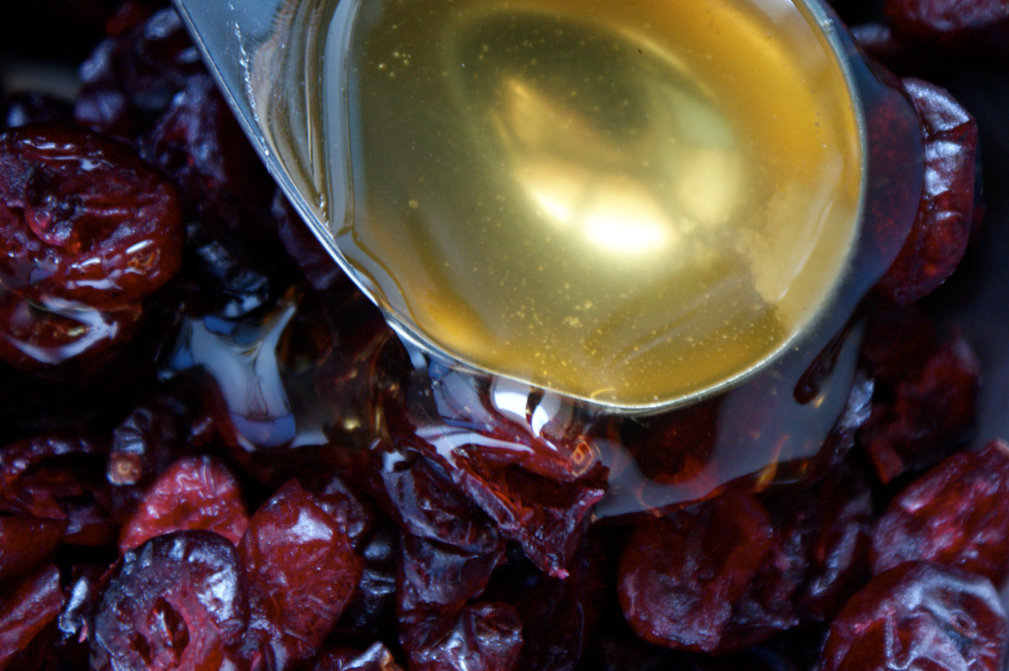
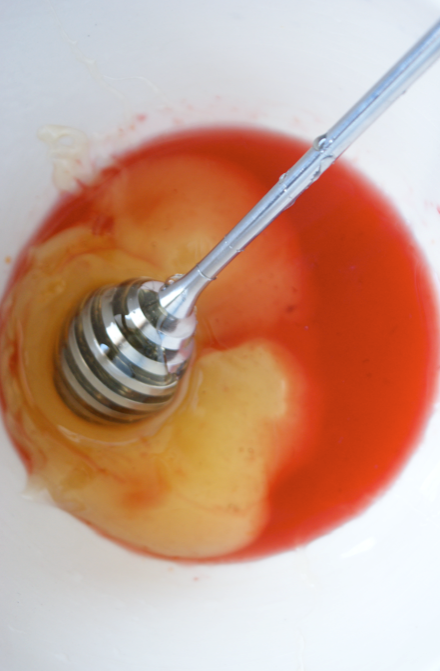
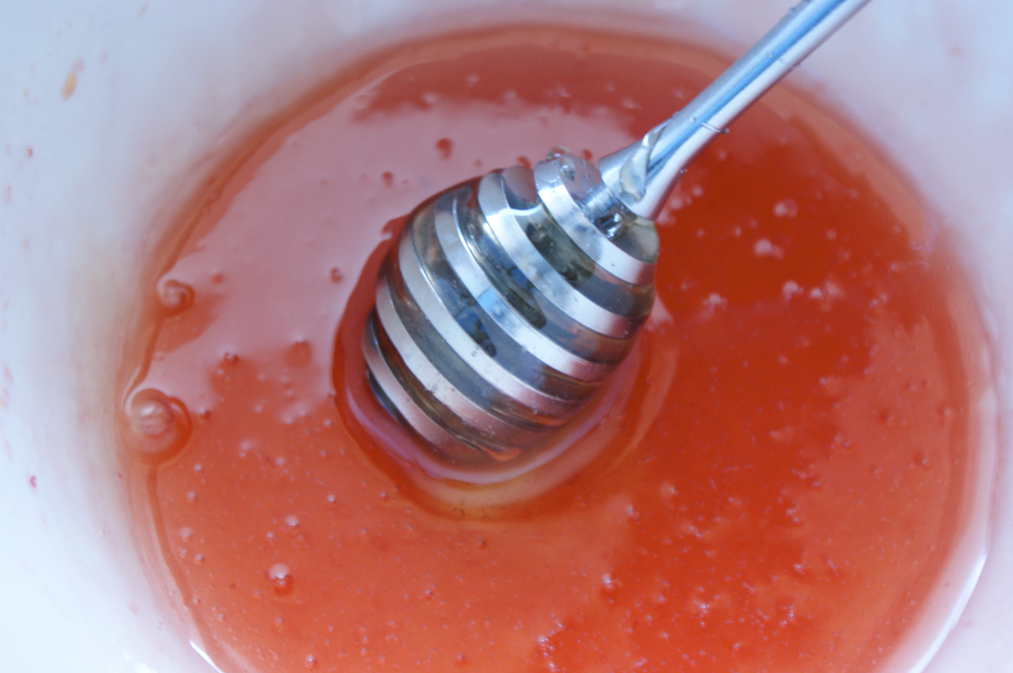
To complement this gorgeous honey flavour, I decided to add soaked dried cranberries for a bit of a sharp kick and some lovely colour. For the first time it seems that they have started stocking dried cranberries in the supermarket at home (YES, cranberry sauce with the turkey at Christmas!) and so I wanted to try baking with them.  Before I used them, I soaked them overnight in some of the honey and the juice of an orange.


The April 2010 Daring Bakers' challenge was hosted by Esther of The Lilac Kitchen. She challenged everyone to make a traditional British pudding using, if possible, a very traditional British ingredient: suet.


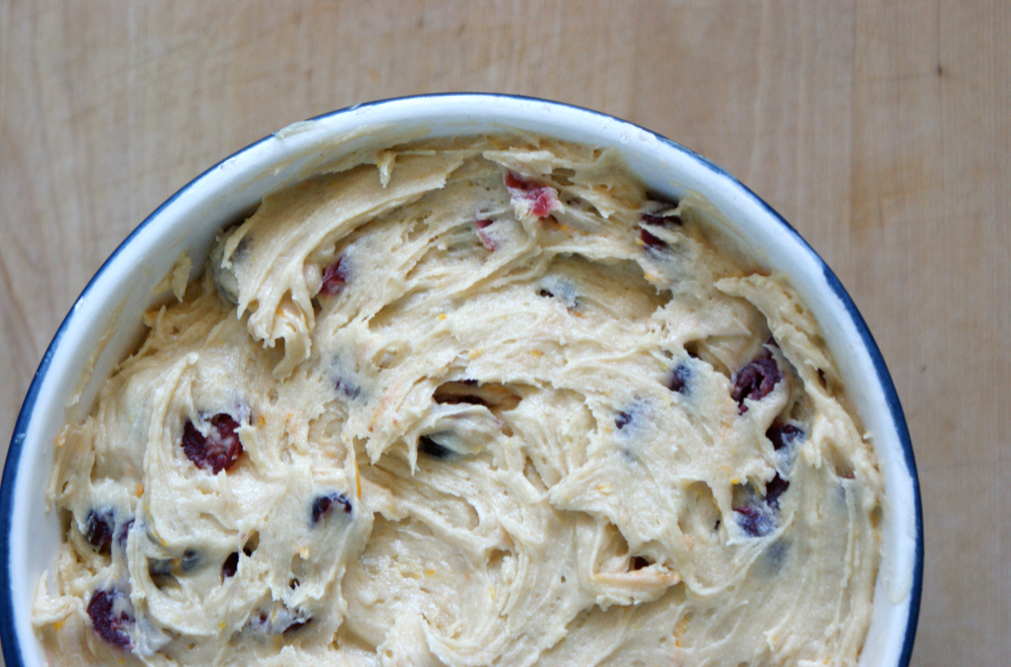
I then added some of the cranberry soaking juice to an additional few tablespoons of honey in the bottom of my pudding bowl. For the pudding itself I made the butter based pudding then added the cranberries and some orange rind and steamed it in Mum's big old le creuset vegetable steamer.


I served my pudding with an orange infused custard, which was lovely. I think mine somehow sunk when I had a peek to see if it was done with about 15 minutes to go - it wasn't done and when it was, it was pretty solid instead of spongey. The flavours were nice but I think I should probably try a different recipe another time.


ShareThis